Flute
Bright, agile and portable. Learn how a focused ribbon of air becomes a clear, floating tone.
Flute, saxophone, trumpet and clarinet classes for children in Chennai. Every wind instrument begins with the invisible: learning to shape breath into a tone.Wind instruments usually suit children from around nine, when lung capacity and adult front teeth are established. Flute and clarinet are the most common starting points.
Bright, agile and portable. Learn how a focused ribbon of air becomes a clear, floating tone.
Warm, direct and versatile across jazz, pop and classical language.
Bold and brilliant. Build embouchure patiently and learn to lead without forcing.
Rich, flexible and capable of astonishing contrast across its full range.
Select an instrument to reshape the column. Flute air splits at an edge; clarinet and saxophone begin with a reed; trumpet begins with the player’s buzzing lips. Length, bore and openings decide which vibrations can live inside.
Flute: a focused sheet of air meets the embouchure edge; tiny changes in angle and speed alter response, register and colour.
Beginners build a comfortable embouchure, release air without strain, assemble and care for the instrument, and connect a few reliable notes into short melodies.
Finger patterns, articulation, reading and breath planning become coordinated. Scales and interval work extend range while pieces teach phrase direction and steady pulse.
Dynamics, alternate articulations, vibrato where appropriate, tuning and style studies make tone flexible across classical, jazz, film and contemporary repertoire.
Advanced learners manage endurance, faster technique, ensemble blend, improvisation or formal repertoire. Certification can be planned around the chosen instrument and syllabus.
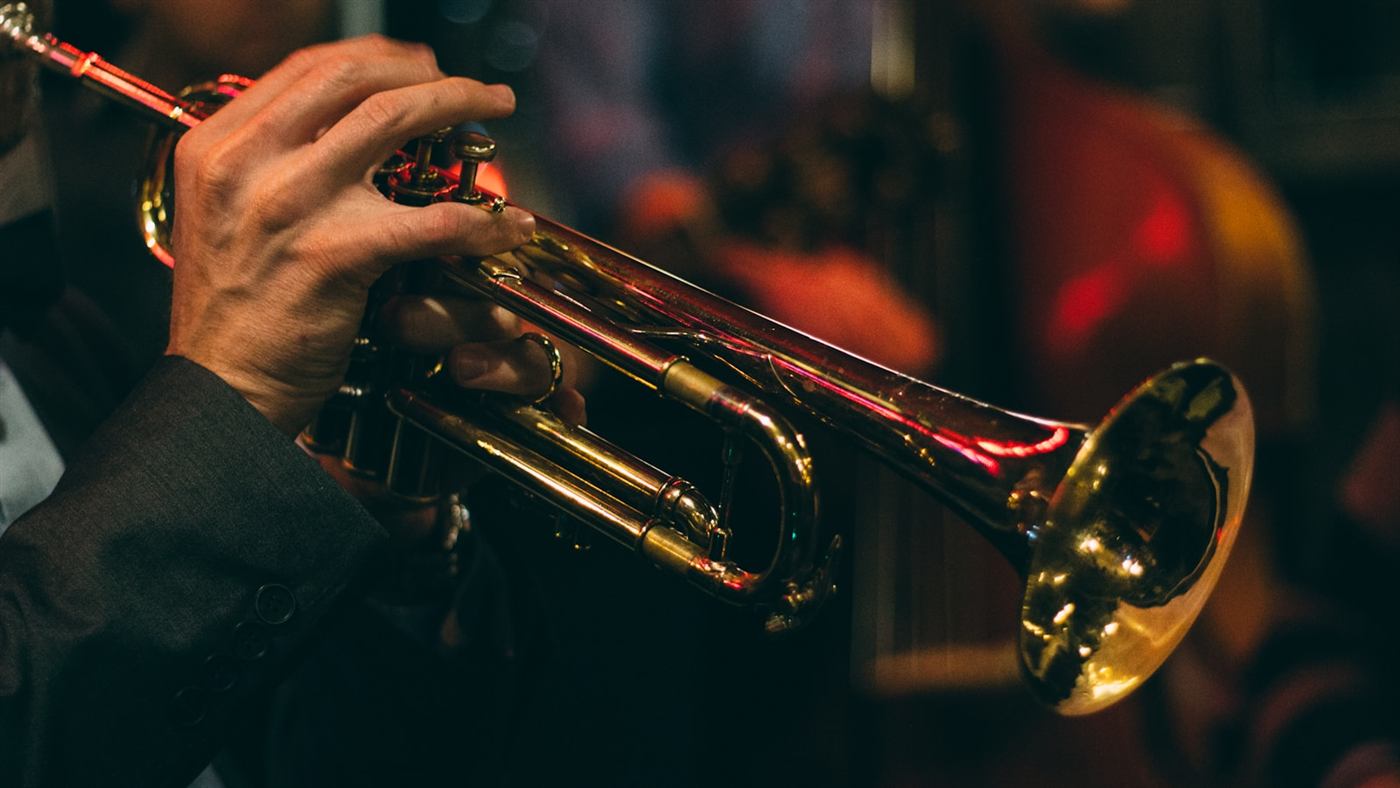
Wind study connects musical attention to the body. Our teachers build a relaxed, sustainable technique one breath at a time.
We first check alignment, inhale and response. A teacher listens for one useful adjustment—air speed, reed contact, aperture, tongue position or unnecessary pressure—then tests it in a simple tone or slur.
Finger technique, reading, ear training and theory are connected to current repertoire. The final run practises breath marks, recovery and communication, not only correct fingering.
A useful trial compares comfort as carefully as sound. You may discuss an existing instrument, physical considerations and musical goals before deciding on flute, clarinet, saxophone or trumpet; there is no requirement to arrive able to produce a note.
A trial should compare sound preference, hand reach, dental comfort, instrument weight and the learner’s patience with each type of tone production. The “easiest” choice is rarely universal.
No. Efficient alignment and controlled release matter more than force. Capacity, phrase length and endurance develop progressively; dizziness or strain is a cue to pause and reset.
It depends on reach, instrument and individual development. Curved-head flutes, lighter supports or a later starting point may be sensible. A teacher should assess comfort before a purchase.
Daily moisture removal and careful assembly are simple but essential. Reeds are consumable, pads and corks need periodic professional attention, and brass instruments require regular valve or slide care.
Yes, particularly for posture, fingering, rhythm, repertoire and practice strategy. Clear audio helps with tone feedback; occasional in-person checks can be useful for setup and acoustic projection when available.